Imagine walking into your home and the lights slowly brighten, the thermostat’s just right, and your music starts before you ask.
Smart home automation gadgets can bring these situations to everyday life. But with so many options, which devices are truly worth the investment?
This article is for tech-savvy homeowners, productivity fans, and digital trend followers who want to spend wisely.
If you’re deciding which hardware belongs in a modern, efficient home, or you enjoy experimenting with new tech gadgets, you’re in the right place.
Our goal? To help you avoid hype and focus on devices that earn their price through daily value or true convenience.
Why Invest in Smart Home Automation Gadgets?
Home automation isn’t just about novelty. The right gadgets actually save time, energy, and even money. They also bring subtle productivity boosts that can make your routines smoother. That said, not every new gadget delivers equally.
Simplifying Your Routines
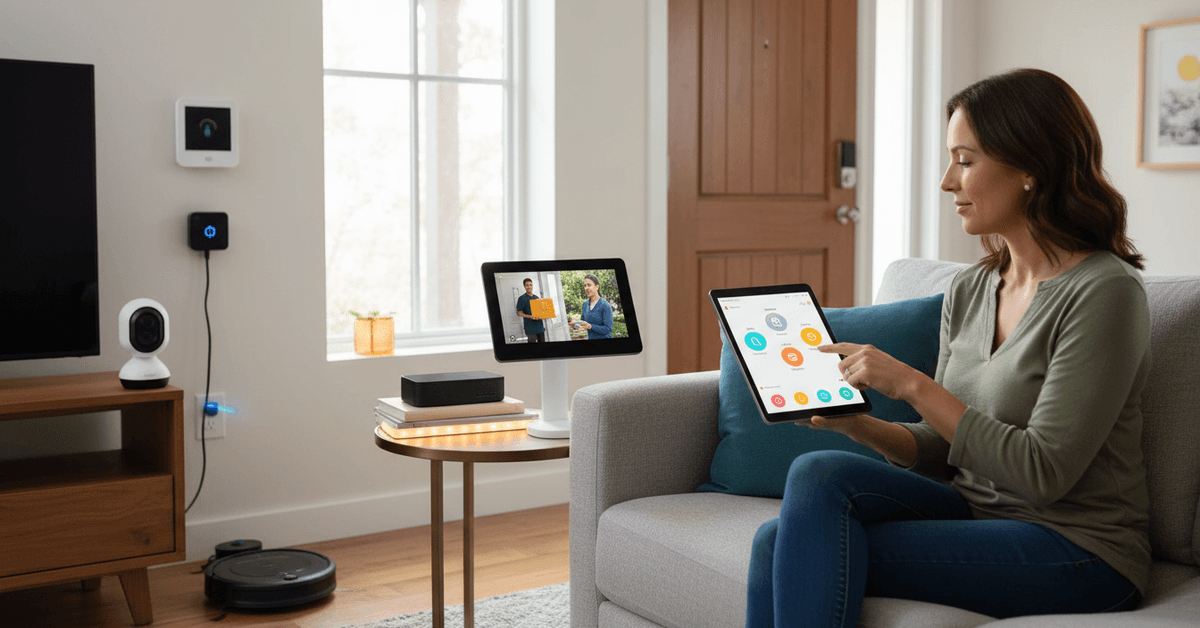
Maybe it’s turning off every light with a single voice command or setting a “work from home” scene that tunes lighting and temperature for focus. Effective smart devices eliminate small, repetitive tasks so you focus on bigger goals.
Potential for Energy Savings
Automated thermostats, smart plugs, and lighting help reduce energy waste. Small adjustments add up, especially over a year or two. These savings may not make you rich, but in a world of rising costs, even small cuts feel significant.
Enhanced Security and Peace of Mind
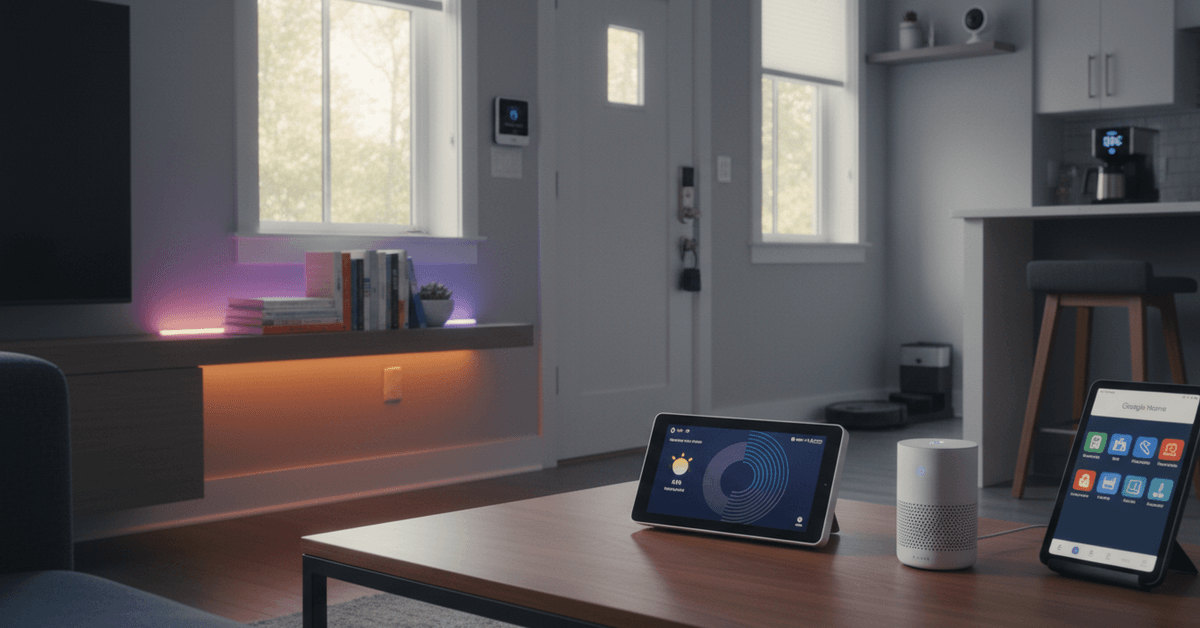
Smart cameras, doorbells, and locks add layers of protection. Not everyone needs an advanced security system, but getting notified if a door's left open?
That’s a real improvement, in my opinion. You don’t see the value of these until you need them, sometimes.
Essential Smart Home Devices That Are Worth Buying
While fads come and go, some smart home gadgets stand the test of time. Here’s what consistently ranks as genuinely worthwhile—at least, based on both user reviews and my own experience tinkering.
Smart Speakers and Displays
Devices like Amazon Echo or Google Nest Hub serve as the "brains" of your smart home. Voice assistants make it easy to manage devices, ask quick questions, and even get reminders.
While some folks still prefer their phone for everything, hands-free control is hard to beat, especially if you’re headed out or your hands are tied up.
Video Doorbells
Ring, Google Nest Doorbell, and others help you check your front porch from anywhere.
They help prevent package theft or catch that awkward moment when a neighbor shows up unannounced. At first, you might doubt the need, but after a missed delivery, they seem almost essential.
Smart Plugs and Outlets
Turning any "dumb" appliance smart is truly satisfying. With smart plugs (Wyze, TP-Link, or Kasa), you automate lamps, fans, or coffee makers—often for under $30.
Their versatility is what makes them an easy entry point into automation, especially in apartments or rentals.
Smart Lights
Skeptical at first about changing bulbs? You’re not alone, but smart LEDs like Philips Hue or LIFX set the mood and save power.
Schedule wake-up lighting or create scenes for movies nights. It’s one of those changes you notice more when you go back to regular switches.
Smart Thermostats
This is one I hesitated to buy, but a device like Google Nest or Ecobee quickly feels indispensable.
They adjust automatically for comfort and savings. Over time, they “learn” your routines, making subtle improvements you might not even notice.
Automated Locks
Forgot the keys? With August Smart Lock or Schlage Encode, you get keyless entry and remote locking.
There’s a distinct solid feeling when you know you can check or control your home’s entry from anywhere, especially during travel.
Home Security Cameras
Whether indoor or outdoor, brands like Arlo and Wyze provide motion alerts and remote footage.
While privacy is a concern—perhaps understandably—many users find peace of mind having even a single camera near entrances or in common areas.
Smart Home Gadgets: Nice-to-Haves (But Not Essential)
Some gadgets get a lot of social media buzz but offer less practical value for most homes. Worth experimenting with, but maybe not must-haves yet.
Robotic Vacuums
Busy schedule? Robot vacuums like Roomba do the dirty work. But, not everyone finds them a must.
They can miss corners or get stuck, especially if your floors have lots of obstacles. Still, they're becoming smarter with each update.
Smart Fridges and Kitchens
Wi-Fi fridges or app-connected ovens look futuristic, but the value over well-built "dumb" appliances is debatable.
Some folks love the reminders for groceries or recipe screens; others see it as more to troubleshoot over the years.
Automated Blinds and Curtains
Remote-controlled blinds sound convenient, but frequent power glitches or installation woes can make them less appealing.
Only worth it for specific accessibility or comfort needs, but still a fun upgrade if you’re always tweaking your environment.
Choosing Devices for Compatibility and Privacy
The best gadget in the world won’t help if it doesn’t talk to your other devices. Many people accidentally buy brands that don’t play well together.
Before investing, always check device compatibility and how they handle your personal info.
Smart Home Platforms and Ecosystems
Stick with a main ecosystem: Google Home, Amazon Alexa, or Apple HomeKit. This centralizes control, automations, and future gadget additions. Mixing-and-matching is possible but adds headaches, in my experience.
Data and Privacy Concerns
Anything with microphones or cameras needs careful setup. Change default passwords, review data-sharing policies, and don’t be afraid to disable features. Sometimes I’ve even physically covered cameras when not in use, just for that extra layer of privacy.
Tips to Maximize the Value of Your Smart Gadgets
Smart gadgets are totally worth it especially when they make your life a lot easier. Develop habits that help you avoid connection issues, wasted features and even unnecessary devices through these tips below.
Start Small and Expand Slowly
Start by having one or two core devices that include a smart plug, camera, or bulb. Use them for a couple of weeks then you can add more if you need. This will help you understand which ones that truly fit your routine.
Set Up Routines and Scenes
Set up your routines and group them into actions like bedtime, away or morning. This keeps you updated on the routines that you need to do without having to look at the clock.
Maintain Security and Updates
Make sure that you read the guides carefully to know how your devices work. Update the firmware and review guest access regularly.
Always be careful with your locks, sensors and cameras and try to experiment with automation without having to rely on it completely.
Smart Home Automation for Productivity and Wellbeing
A less obvious—and often underrated—benefit of the right automation setup is increased focus. By removing small distractions or creating perfect working environments, smart gadgets free up mental energy.
Automated blinds that gently open when your alarm rings, lights that shift temperature through the day, or calming music at scheduled intervals?
Tiny tweaks, sure, but they reshape your day. You might not notice the impact until a stressful moment passes more smoothly than before.
Best Practices: Balancing Automation and Control
The novelty can wear off if every action is automated. Let real-world routines guide the process. For example, turning off all lights as you leave feels good at first, but sometimes you want to keep a hallway light on—just in case.
There’s beauty in letting some things stay manual. The gadgets that pay off, in my experience, are those that blend with daily life and work with your habits—not against them.
Emerging Trends in Smart Home Gadgets
This year, Matter-compatible devices promise better cross-brand integration. AI-driven sensors, security enhancements, and personalization are on the rise too.
Keeping an eye on updates helps you decide when it's time for your next worthwhile upgrade—or whether the latest hype is just noise.
Most Common Smart Device Mistakes to Avoid
- Buying incompatible devices (always check for logo or supported platforms)
- Overcomplicating automation (simple routines are more reliable)
- Neglecting security settings (change passwords, activate 2FA)
- Ignoring routine updates
- Forgetting to factor in ongoing subscription costs for certain features
Conclusion
Smart home automation gadgets are worth the money when they solve real daily problems, not just add novelty.
Smart plugs, bulbs, sensors, locks, cameras, and thermostats can improve convenience, safety, and energy use. Start with practical devices you will use often, then expand only when they fit your routine.